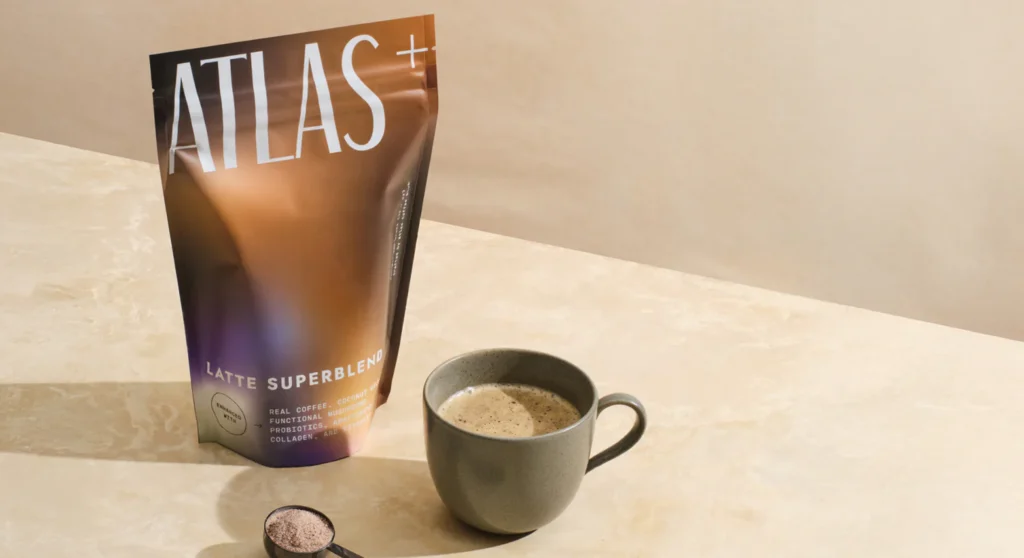
What is Atlas Mushroom Coffee, and Why It’s Gaining Attention
Atlas mushroom coffee is gaining popularity because people are looking for beverages that offer more than just a caffeine boost. Atlas mushroom coffee gives you more than just a caffeine boost. It gives you calm and smooth energy. If you are also carrying the same quest, then don’t worry, you are in the right place. Here you will find a complete guide to Atlas Mushroom Coffee.
In this blog, you will learn about Atlas Mushroom Coffee, which is considered to be the best mushroom coffee, and one of the best tasting mushroom coffee. Moreover, you will learn mushroom coffee reviews and many more about Atlas Coffee and Atlas Plus.
Table of Contents
What is Atlas Mushroom Coffee
Atlas Mushroom Coffee is a mushroom-infused coffee blend marketed under the brand Atlas Coffee Club (often via their “Atlas+” line). According to the company, the blend combines traditional coffee with functional mushroom extracts such as lion’s mane, reishi, and cordyceps, along with adaptogens, probiotics, collagen, and vitamins. The goal is to deliver a beverage that supports energy, focus, immunity, and wellness.
How Atlas Coffee Differs from Standard Coffee
Unlike a regular coffee that primarily delivers caffeine (typically ~95 mg per 8-oz cup), Atlas’ product offers a lower caffeine count (~45 mg in their Superblend) and incorporates additional “functional” ingredients. It means you are getting less of the traditional “buzz” and more of a claim toward sustained energy and added wellness support.
1. How to use it
- Measure one to two scoops of the powder.
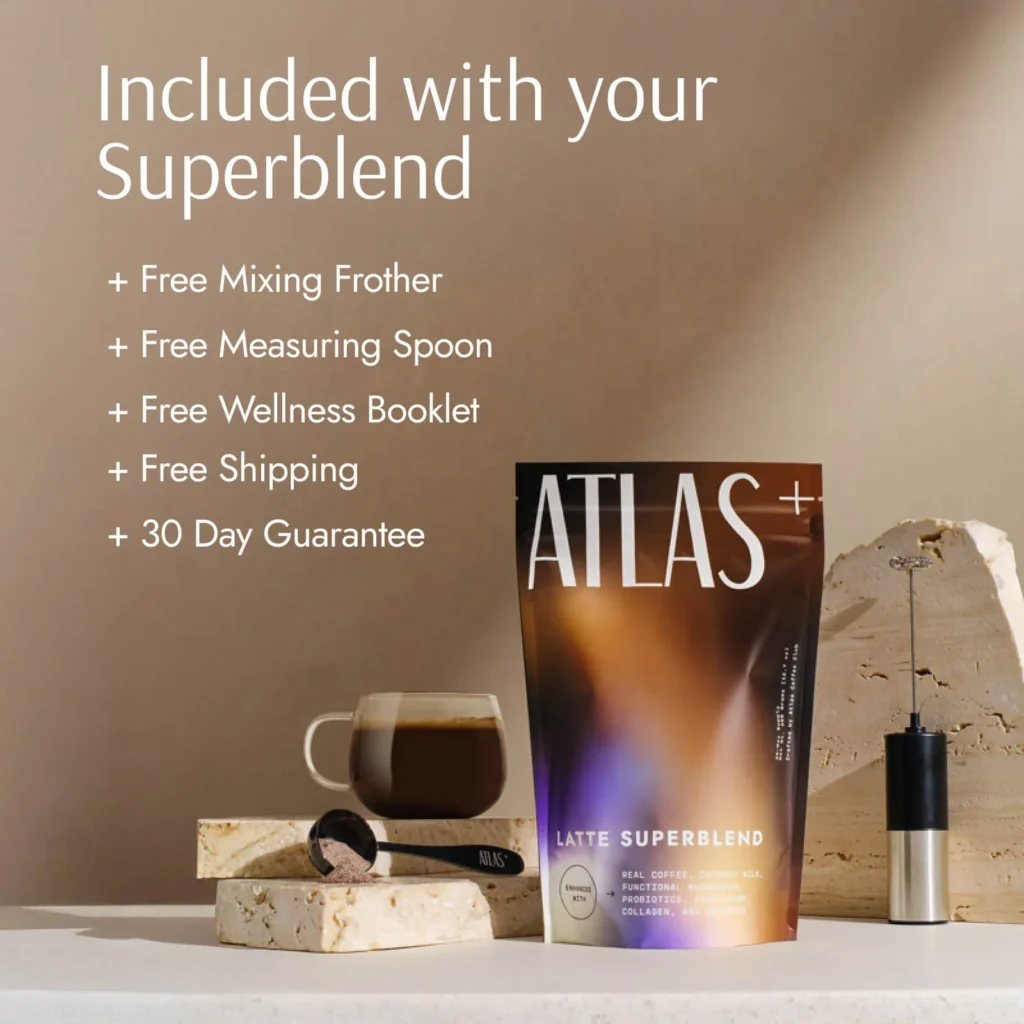
- Add around 4–7 oz of warm (not boiling) water, then stir or froth.
- You may add your preferred milk or sweetener if desired.
- Because of the lower caffeine and added ingredients, many US users may treat it as a morning or mid-morning beverage rather than a late-day pick-me-up.
What Are the Benefits of Mushroom Coffee
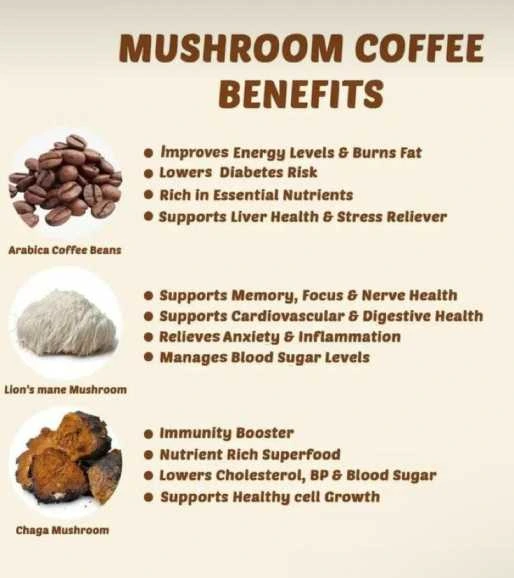
Research on mushroom-infused coffee remains limited, but studies on medicinal mushrooms and blends suggest some promising features. Some of the potential advantages:
- Reduced caffeine exposure: According to research, because many blends, including Atlas, contain less caffeine, users may experience fewer jitters or late-day sleep disruption.
- Cognitive support: Mushrooms such as lion’s mane have compounds thought to stimulate nerve growth factor and may help mental clarity.
- Immune and antioxidant support: Research states that many medicinal mushrooms contain beta-glucans and polyphenols which may support immune health and reduce inflammation.
- Better tolerance for some: For those sensitive to high-caffeine traditional coffee, mushroom coffee may offer a gentler alternative. According to one of the mushroom coffee reviews, the Atlas blend “supports long-term energy levels, cognitive function … and serves as a source of antioxidants.”
How Atlas positions itself
The company marketing the “Atlas+” superblend emphasises taste, functional mushrooms, adaptogens, pre/prebiotics, and vitamins. They even claim it tastes great, “ready in seconds,” and is designed to “help you look and feel your best.”. Independent reviewers have praised the best tasting mushroom coffee, the smoother flavor, and the minimal aftertaste of the Atlas blend.
What the Evidence Says about Atlas Coffee
Some research supports that:
- Research states medicinal mushrooms may reduce inflammation, support immunity and provide adaptogenic effects.
- According to research, blended coffees infused with mushroom extracts (e.g., cordyceps coffee) contained more bioactive compounds than regular coffee in one lab study.
- Experts note that mushroom coffee may be a reasonable alternative for those wanting less caffeine and a coffee variation.
1. What remains uncertain
- Most human studies use purified mushroom extracts or supplements, not coffee blends. Thus, claims about mushroom coffee benefits are not fully backed yet.
- The actual dosage of active mushroom compounds in many commercial blends is often undisclosed, making it difficult to assess efficacy.
- Some individuals may experience side effects such as digestive upset, or may have drug interactions.
2. Practical experience
In the US market, reviewers of the Atlas product reported that the taste was surprisingly good, and the lower caffeine meant a more stable feeling rather than a sharp spike. One review said:
“After three mornings of Atlas’ latte superblend … the caffeine buzz was smooth and devoid of any mind-rattling peaks.”
Still, the reviewer also noted that the effect wasn’t dramatic; it was simply a slightly different coffee experience.
How to Decide if Atlas Mushroom Coffee Is good for You
- If you value less caffeine and a gentler morning beverage, the Atlas blend may fit you well.
- If you are looking for a maximum caffeine jolt, a regular strong brew might serve you better.
- If your aim is functional health benefits (focus, immunity, gut support), this product may appeal, but you should treat that expectation cautiously.

1. Check diet and health factors
- Research states that if you have sensitivity to mushrooms, fungi, or are on medications (blood thinners, immune modulators), you should consult a healthcare provider.
- If you are pregnant, breastfeeding, managing kidney or liver issues, or tracking strict caffeine intake, the added ingredients warrant extra care.
2. Taste and budget considerations
- Users report the Atlas blend tastes smooth and is easier on digestion compared to some alternative functional coffees.
- The cost is typically higher than standard coffee. You’re paying for the added functional ingredients and convenience.
3. How to integrate it
- Try replacing one regular coffee cup with Atlas for a week and monitor how you feel (energy, focus, digestion).
- Use it consistently for at least 7-10 days to evaluate whether you notice meaningful benefits.
- Pair it with a balanced breakfast and adequate hydration—coffee alone won’t replace a healthy breakfast.
- Follow the serving instructions from the brand: 1-2 scoops, mix with warm water, and optionally add milk or sweetener.
Final Thoughts on Atlas Mushroom Coffee
Atlas Mushroom Coffee offers an interesting and novel take on your morning brew. It blends coffee with functional mushrooms and wellness-oriented ingredients to appeal to consumers who want more than just caffeine. For many in the USA seeking a smoother, less intense coffee experience while exploring adaptogenic options, it can be a viable choice.
That said, the key takeaway is this: there are potential benefits, but they are not guaranteed. The science is still emerging. As one expert source put it regarding mushroom coffee:
“There is very little research … and none of that research was conducted on mushroom coffee, so there’s no guarantee that any health benefits will be retained.”
If you approach it with realistic expectations, enjoying the taste and the ritual while keeping in mind that major health benefits remain unproven, you will be best positioned to decide whether it aligns with your lifestyle. And remember: no drink replaces a good diet, regular movement, and restful sleep.
FAQs
1. Is Atlas a good mushroom coffee?
Yes, Atlas Mushroom Coffee is considered one of the better options in the functional coffee market. It combines quality Arabica beans with mushrooms like lion’s mane and reishi for focus and calm energy. Users often praise its smooth taste, low acidity, and balanced caffeine. Many reviews highlight it as among the best tasting mushroom coffee options available today.
2. How many cups of Atlas mushroom coffee per day?
Most experts recommend drinking 1 to 2 cups of Atlas Mushroom Coffee per day. This amount provides enough caffeine and adaptogenic benefits without overstimulation. Each serving contains around 45 mg of caffeine, which is about half of a regular coffee cup. Adjust according to your tolerance and energy needs.
3. What are the side effects of atlas mushroom coffee?
While generally safe, Atlas Mushroom Coffee can cause mild side effects in some individuals, such as bloating, upset stomach, or allergic reactions to mushrooms. Because it contains caffeine, excessive intake may also cause jitteriness or insomnia. Those with medical conditions or taking medications should consult a doctor before regular use.